
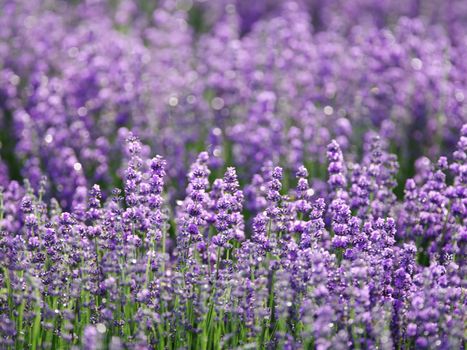
Why Lavender for Dreams Became a Bedtime Tradition
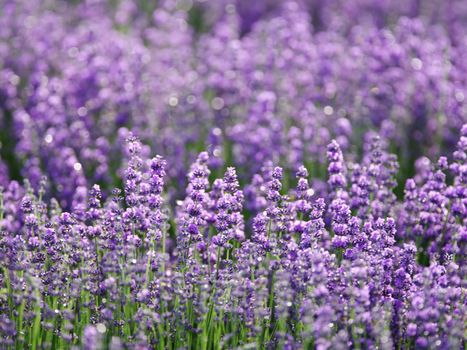
It is past midnight. You are tired, but your mind keeps replaying the day, and when sleep finally comes it is thin and broken, full of restless half-dreams you cannot quite remember. Somewhere in a drawer there may be a faded lavender sachet, a gift from a grandmother or a market stall, and you wonder whether there was ever anything to it. People have reached for lavender for dreams and for calmer nights for centuries. The habit survives because the scent is strongly linked to rest and safety, and that linked feeling is part of how it works.
True lavender, Lavandula angustifolia, is a small woody shrub native to the dry, sunny hills of the western Mediterranean. Its flower spikes are rich in aromatic compounds, chiefly linalool and linalyl acetate. These two molecules give lavender its soft, sweet, slightly herbaceous scent, and they are the ones researchers point to when they study its calming effects.
Long before anyone could name those compounds, people noticed what the plant did. A room strewn with lavender smelled clean. Linens stored with it stayed fresh and free of moths. A pillow tucked with the dried buds seemed to make lying down easier. Over generations those practical uses gathered stories around them: lavender as a guardian against bad spirits, as a herb of love and fidelity, and as a gentle doorway into sleep.
This article follows both threads. It covers the folklore that made lavender the classic bedtime herb, and it looks at what modern research can and cannot confirm about its effects on sleep and dreaming. You will also find practical, safe ways to bring it into your evening routine, plus a simple way to test whether it changes your own dreams. Lavender is not a sedative drug, and it will not force vivid or prophetic dreams. Used thoughtfully, though, it can be a real part of a wind-down ritual. A good ritual is often what a racing mind needs.
Lavender in Folklore: Bathhouses, Pillows and Love Charms
Lavender’s reputation is old, though some of its most-repeated stories deserve a light pinch of salt. Here are the main strands of its folklore and how reliable each one is.
- Roman bathing. The name is often traced to the Latin lavare, meaning ‘to wash’. Lavender-scented baths fit that story well. Some scholars, however, favor livere, ‘to be bluish’, so the washing origin is popular rather than proven.
- Medieval monastery gardens. The twelfth-century abbess Hildegard of Bingen wrote about lavender in her natural history works. She valued it for keeping the mind clear and for warding off pests. Monastic gardens helped carry the plant north across Europe, where it became a staple of herb beds.
- Strewing herbs and linen presses. In Tudor and Stuart England, lavender was scattered on floors and folded into stored linens. Laundresses dried washing over lavender bushes. Sleeping on sheets that smelled of lavender was simply normal in better-off households, and that daily habit tied the scent to bedtime.
- Royal pillows. Stories claim that Queen Elizabeth I loved lavender conserve and that French kings rested on lavender-stuffed cushions. These anecdotes are widely repeated but thinly documented. They are best enjoyed as legend.
- Dream divination. English folk custom tied lavender to St. Luke’s Day in October. A young woman might sip a lavender infusion or tuck the herb near her bed while reciting a rhyme asking to see her true love in a dream. This is where lavender’s link to dreaming is most explicit: not as a sleep aid, but as a herb that invites meaningful dreams.
- Protection and fidelity. In parts of Europe, lavender hung over doorways guarded against ill luck. Sprigs given between sweethearts symbolized devotion. Placing lavender in a baby’s cradle or a marriage bed carried the same protective wish.
The common thread is clear. In these traditions, lavender marked safe, clean, protected space, and it was used especially at the threshold of sleep. That symbolism still shapes how many people use it today. When you put a sachet under your pillow, you are joining a very long line of people who did the same, hoping for a peaceful night and kinder dreams.
What Research Says About Lavender, Sleep and Dreaming
Folklore is one thing; evidence is another. Here is a fair summary of where the science stands.
Sleep quality. A number of small clinical studies have looked at inhaled lavender oil. They include trials in students, older adults and hospital patients. Many report modest improvements in self-rated sleep quality and in how refreshed people feel on waking. The studies are often short, small or hard to blind, because participants can smell the lavender. The honest verdict is promising but not conclusive.
Anxiety. The strongest evidence comes from a standardized oral lavender oil preparation known as Silexan. In several controlled trials it reduced symptoms of generalized and subthreshold anxiety, and sleep improved alongside. This is a specific pharmaceutical-grade capsule. It is not the same as swallowing essential oil from a dropper bottle, which you should never do.
Dreams specifically. Direct research on lavender and dream content is very limited. A related line of work is suggestive, however. In a German sleep-lab study led by Michael Schredl, pleasant odors such as rose presented during REM sleep were linked to more positively toned dreams, and unpleasant odors to more negative ones. Scent can reach the sleeping brain and color the emotional feel of a dream. It is reasonable, though unproven, that a scent you find pleasant, such as lavender, could nudge dreams in a gentler direction.
Dream recall. This surprises some people. If lavender helps you sleep more deeply and wake less often, you may remember fewer dreams, not more. Dream recall depends heavily on waking briefly during or just after REM sleep. Lavender suits people who want calmer, less disturbed nights. It is not a tool for intense lucid dreaming.
Association matters. Part of lavender’s effect is probably learned. If you use the same scent every night as you wind down, your brain starts to treat it as a cue for sleep. That conditioning is real and useful, whatever the chemistry is doing.
How to Use Lavender at Bedtime
You do not need anything elaborate. Pick one or two of these methods and use them consistently for at least two weeks before judging the results.
- Pillow sachet. Fill a small cotton or muslin bag with one to two tablespoons of dried L. angustifolia buds. Tuck it inside the pillowcase or beside the pillow, not directly under your face. Squeeze it gently before bed to release fresh scent. Replace the buds every two to three months as the aroma fades.
- Diffuser. Add three to five drops of true lavender essential oil to an ultrasonic diffuser about 30 minutes before bed. Run it in the bedroom, then switch it off or use a timer so you are not breathing it all night. More is not better. Strong scent can become irritating and may even keep you awake.
- Linen spray. Mix about 10 drops of essential oil with a teaspoon of high-proof alcohol or witch hazel. Add 100 ml of distilled water and shake before each use. Mist pillowcases lightly a few minutes before you lie down so the fabric is dry.
- Warm bath. Disperse five to eight drops of oil in a tablespoon of carrier oil or unscented bath gel before adding it to the water. Undiluted oil floats on the surface and can irritate skin. A warm bath an hour or two before bed also helps your body cool down afterward, which supports falling asleep.
- Lavender tea. Steep one to two teaspoons of dried culinary-grade buds in a cup of hot water for five to ten minutes, covered. On its own it can taste soapy. Blending it with chamomile, lemon balm or a little honey makes it gentler. Never add essential oil to tea.
- Ritual pairing. Combine the scent with the same calm actions each night: dim lights, screens away, a few slow breaths. The repetition is what turns lavender into a reliable sleep cue.
Choosing Safe, Genuine Lavender
Not every purple flower labeled ‘lavender’ is suited to bedtime, and even gentle herbs have limits. Keep these points in mind.
Check the species. Look for Lavandula angustifolia, sometimes sold as English or true lavender, on the label. Two common substitutes behave differently:
- Lavandin (L. x intermedia) is cheaper and widely used in soaps and sprays. It contains more camphor and has a sharper, more medicinal smell.
- Spike lavender (L. latifolia) is high in camphor and cineole. It is more stimulating than soothing, and it is better saved for daytime use than for the bedroom.
Products labeled only ‘lavender fragrance’ are often synthetic and may contain no plant material at all.
Safety guidelines:
- Do not swallow essential oil. The only oral lavender oil with good clinical data is a standardized capsule product. Self-dosing from a bottle risks stomach upset and toxicity.
- Dilute on skin. Use about 1 to 2 percent in a carrier oil, roughly six to twelve drops per 30 ml. Patch-test first, because lavender is a known cause of contact allergy, especially when the oil has oxidized. Store oils capped, cool and dark, and replace them after a year or two.
- Children. Case reports have linked repeated topical use of lavender and tea tree products to breast-tissue growth in some prepubertal boys. The link is debated, but caution is sensible. Use only mild, occasional room scent around young children.
- Pets. Cats are especially sensitive to essential oils. Avoid diffusing in rooms where cats sleep, and never apply oils to animals.
- Pregnancy, medications and health conditions. Talk with a healthcare provider before using lavender in amounts beyond gentle scent. This is especially important if you take sedatives, sleep medications or anticonvulsants, or if you have asthma.
Finally, lavender supports good sleep habits; it does not replace treatment. Ongoing insomnia, loud snoring, gasping at night or recurring nightmares deserve a conversation with a doctor.
Testing Lavender’s Effect on Your Own Dreams
Because the research on dreaming is thin, your own careful observation is the most useful evidence you can get. A simple two-phase experiment will show whether lavender changes your nights.
- Keep a baseline week. For seven nights, follow your usual routine with no lavender. Keep a notebook or voice recorder by the bed. Each morning, before you check your phone, note four things: how long you think it took to fall asleep, how many times you woke, how rested you feel on a scale of 1 to 10, and any dreams you remember.
- Record the dream details that matter. Instead of only summarizing the plot, rate the emotional tone of each dream. Mark it as pleasant, neutral, anxious or distressing. Note how vivid it felt. Emotional tone is the dimension most likely to shift with scent, based on the odor research.
- Add lavender for two weeks. Introduce one method only, such as a pillow sachet or a timed diffuser. Change nothing else. Keep your bedtime, caffeine and screen habits as steady as you can.
- Compare the patterns. At the end, look back across all three weeks. Did you fall asleep faster? Did you wake less often? Were your dreams calmer in tone, even if you remembered fewer of them? Small, consistent shifts are more meaningful than one striking night.
- Adjust and repeat. If a method felt too strong, try a gentler one. If you noticed nothing, try a different delivery method, or accept that lavender may not be your herb. Some people find chamomile, lemon balm or simply a cooler room more effective.
A few tips make the results more reliable. Write immediately on waking, because dream memories fade within minutes. Lie still for a moment with your eyes closed before reaching for the notebook. Be honest about off nights caused by stress, alcohol or illness, and mark them so they do not skew your conclusions.
Whether or not lavender changes your dreams dramatically, this practice tends to improve dream recall and self-awareness. In that sense, you are carrying on what the old St. Luke’s Day custom did: setting an intention at bedtime and paying attention to what the night brings.
Where to Find These Herbs
Ready to explore for yourself? ShamansGarden offers premium dream herbs and botanicals, ethically sourced and lab-checked.